

Rubico Inc.: Strategic Spin-Off or Asset Exit? Inside Evangelos Pistiolis’ Bold Maritime Experiment
Introduction
In mid-2023, Evangelos J. Pistiolis, CEO of Top Ships Inc., announced the spin-off of Rubico Inc., a newly incorporated tanker company seeded with two eco-design Suezmax newbuildings. The move was accompanied by a successful IPO on the Nasdaq Capital Market, raising approximately $86 million.
This article examines Rubico's origins, strategic intent, financial structure, and market performance, addressing the central question: Was Rubico a true standalone venture or a calculated exit mechanism for high-value assets?
Background: How Rubico Was Formed
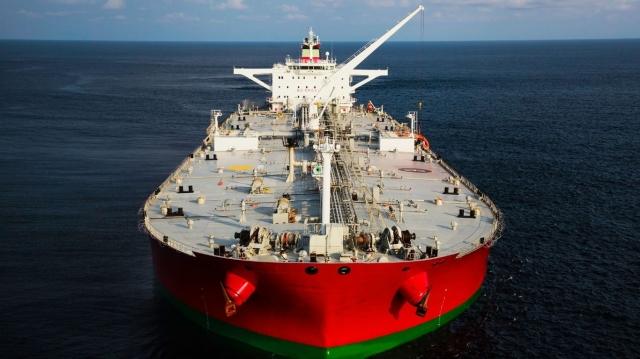
Rubico Inc. was created as an independent shipping entity, carved out from Top Ships' asset base. Its launch included:
- Two Suezmax tankers under construction at Hyundai Samho Heavy Industries
- Pre-arranged charters with major oil trading counterparties
- Delivery dates aligned with market recovery forecasts (Q1 2024–Q3 2024)
- A debt-light structure at IPO, increasing capital efficiency
The two tankers were transferred to Rubico via asset dropdown, with Top Ships receiving shares in Rubico and later selling part of its stake during the IPO.
According to Mononews, the vessels were already chartered at the time of transfer — a key factor in Rubico's valuation.
The IPO: Market Conditions and Structure
Rubico went public on July 14, 2023, under the ticker RBCO on Nasdaq. Key elements of the offering:
- Raised $86 million gross proceeds
- Priced at a market-friendly valuation of under 1.1x NAV
- Structured to avoid immediate dilution to Top Ships' existing shareholders
- Followed by a period of price stability, contrasting with typical micro-cap shipping volatility
The IPO took place during a challenging equity environment, where most Greek shipping stocks were trading below NAV. Rubico, by contrast, was launched:
- Debt-light
- Charter-secured
- With proven sponsorship by an established operator
This approach was praised in TradeWinds and Hellenic Shipping News as a “clean asset monetization strategy” amid turbulent capital markets.
Strategic Intent: Venture or Exit Vehicle?
Was Rubico meant to become an independent shipping house or simply a monetization platform? Analysts remain divided. Let's explore both perspectives:
Venture Thesis:
- Establish Rubico as a modern Suezmax operator with a lean asset base
- Scale gradually via charters and possible VLCC exposure
- Leverage eco-friendly positioning to secure green finance and ESG charters
- Build a separate identity from Top Ships, perhaps targeting a different investor pool
Monetization Thesis:
- Transfer high-value assets from Top Ships near cycle peak
- Pre-load with charters, allowing immediate IPO at premium valuation
- Sell Top Ships' stake over time (in secondary offerings or via open market)
- Use proceeds to reduce Top Ships debt or fund other growth (or buybacks)
As Capital.gr reported, Top Ships had been pursuing aggressive asset rotation strategies since 2020 — and Rubico may have been the culmination of this cycle.
Financial Snapshot (as of Q1 2024)
|
Metric |
Rubico Inc. |
|
Fleet |
2 Suezmax eco tankers (under delivery) |
|
Average Charter Duration |
4.5 years |
|
Charterers |
Shell, Trafigura (unconfirmed) |
|
Total IPO Capital Raised |
$86 million |
|
Net Debt |
< $15 million |
|
Fleet Age (Post Delivery) |
0 years |
This financial profile is rare in the sector — most listed shipping firms go public with significant debt, older fleets, and speculative charter coverage.
Market Reception and Post-IPO Activity
Rubico's IPO avoided the high volatility of prior small-cap shipping listings. Key post-IPO milestones included:
- Smooth listing and share settlement
- No immediate short selling or dilution waves
- Institutional interest from shipping-specialist funds
- Trading within 10–15% of IPO price for the first six months
As of mid-2024, Rubico remained tightly held, with Top Ships retaining a meaningful stake. This “controlled float” approach supported price stability and institutional access.
Long-Term Implications for Top Ships
Rubico's success provided multiple benefits to Top Ships:
- Monetization of newbuilds without outright asset sales
- Capital recycling for future projects (MR or VLCC opportunities)
- Enhanced reputation as a sponsor of successful spin-offs
- Option to consolidate Rubico later if strategic alignment returns
This aligns with Evangelos Pistiolis' broader playbook: build, charter, de-risk, monetize — and repeat.
Rubico Inc. may be the most elegantly executed spin-off in recent Greek shipping history — combining smart asset selection, embedded charters, and disciplined capital markets execution. Whether it matures into a long-term platform or is eventually reintegrated or sold, Rubico validates Top Ships' ability to create value beyond vessel operations.
It is not just a shipowner — it is increasingly acting as a shipping asset allocator.